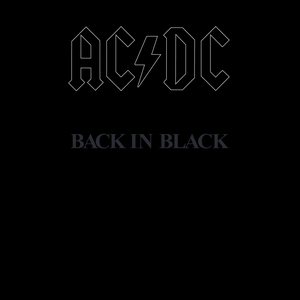
Listen to the Song
Song DNA
Genre
Rock
Era
80s
Mood
Uplifting
Tempo
Upbeat
Key
Major
Texture
Full Band
Sound
Guitar-driven
Feel
Straight
AC/DC
Back in Black (1980)
Angus Young, Brian Johnson, Malcolm Young
As the debut single featuring Brian Johnson, this track propelled the 'Back in Black' album to legendary status following the tragic loss of Bon Scott. Its blend of infectious riffs and stadium-sized energy established it as a permanent fixture in rock history and pop culture.
The song is a masterclass in 'Big Chord' rock harmony. While the functional harmony is basic (I-IV-V), the distinction comes from Malcolm Young's specific chord voicings: using open G major, Cadd9 (keeping the high G and D notes ringing), and a D major with an…
Following the death of original lead singer Bon Scott in February 1980, AC/DC recruited Brian Johnson. The band moved to the Bahamas to write and record the album 'Back in Black'. Johnson was tasked with writing the lyrics, and he aimed to maintain the band's…
“It was the first song recorded with Brian Johnson as the lead vocalist.”
The song is a masterclass in 'Big Chord' rock harmony. While the functional harmony is basic (I-IV-V), the distinction comes from Malcolm Young's specific chord voicings: using open G major, Cadd9 (keeping the high G and D notes ringing), and a D major with an open A string (D/A) or heavy fifths. The 'rock' feel is generated by the tension between the Major key harmony and Brian Johnson's vocal melodies which lean into the minor pentatonic/blues scale, creating a characteristic cross-modal clash.
Following the death of original lead singer Bon Scott in February 1980, AC/DC recruited Brian Johnson. The band moved to the Bahamas to write and record the album 'Back in Black'. Johnson was tasked with writing the lyrics, and he aimed to maintain the band's signature double-entendre style. He wrote the lyrics for this song quickly, focusing on the high-energy theme of a memorable night with a woman.
As the debut single featuring Brian Johnson, this track propelled the 'Back in Black' album to legendary status following the tragic loss of Bon Scott. Its blend of infectious riffs and stadium-sized energy established it as a permanent fixture in rock history and pop culture.
Detailed analysis of this section is not yet available for this song.
Genre
Rock
Era
80s
Mood
Uplifting
Tempo
Upbeat
Key
Major
Texture
Full Band
Sound
Guitar-driven
Feel
Straight
12.7M
Plays
1.6M
Listeners
414K
Genius Views
11
Annotations
100%
Popularity
3:30
Duration
4/4
Time
From the album Back
Chorus
Verse
N/A
Chords G C ✕ D ✕ ✕ Cadd9 ✕ G/B N/A G C D Cadd9 G/B Harmony The song is a masterclass in 'Big Chord' rock harmony. While the functional harmony is basic (I-IV-V), the distinction comes from Malcolm Young's specific chord voicings: using open G major, Cadd9 (keeping the high G and D notes ringing), and a D major with an open A string (D/A) or heavy fifths. The 'rock' feel is generated by the tension between the Major key harmony and Brian Johnson's vocal melodies which lean into the minor pentatonic/blues scale, creating a characteristic cross-modal clash. Deep Analysis Available Detailed analysis of this section is not yet available for this song. Notify me when it's ready Request Full Analysis
Chord Diagrams G C ✕ D ✕ ✕ Cadd9 ✕ G/B N/A
Composition Following the death of original lead singer Bon Scott in February 1980, AC/DC recruited Brian Johnson. The band moved to the Bahamas to write and record the album 'Back in Black'. Johnson was tasked with writing the lyrics, and he aimed to maintain the band's signature double-entendre style. He wrote the lyrics for this song quickly, focusing on the high-energy theme of a memorable night with a woman. Inspiration: Brian Johnson has stated the lyrics were inspired by the sight of girls in the United States and the fast-paced life of a rock and roll band. The imagery of 'working double time on the seduction line' reflected the band's relentless work ethic and lifestyle. Recording Studio: Compass Point Studios Producer: Robert John 'Mutt' Lange It was the first song recorded with Brian Johnson as the lead vocalist. The song features Angus Young playing a 1971 Gibson SG and Malcolm Young on a 1959 Gretsch White Falcon. The 'platonically perfect' snare drum sound was achieved through meticulous mic placement by Tony Platt and Mutt Lange.
Chord Sheet Transpose 0 Capo 0 1 2 3 4 5 6 7 Auto-scroll Print Reset Chords Used Hide functions G I T C IV P D V D Progression by Section Chorus G I T C IV P D V D G I T C IV P D V D Verse G I T Cadd9 IVadd9 P G I T D V D Cadd9 IVadd9 P G/B I6 T D V D Chord Diagrams G C ✕ D ✕ ✕ Cadd9 ✕ G/B N/A Harmony Analysis The song is a masterclass in 'Big Chord' rock harmony. While the functional harmony is basic (I-IV-V), the distinction comes from Malcolm Young's specific chord voicings: using open G major, Cadd9 (keeping the high G and D notes ringing), and a D major with an open A string (D/A) or heavy fifths. The 'rock' feel is generated by the tension between the Major key harmony and Brian Johnson's vocal melodies which lean into the minor pentatonic/blues scale, creating a characteristic cross-modal clash. Find Tabs & Chords Songsterr Interactive tabs Ultimate Guitar Chords & tabs Cifra Club Chords
🎶 Similar Tracks Back in Black AC/DC Hells Bells AC/DC Paradise City Guns N' Roses Sweet Child o' Mine Guns N' Roses You Give Love a Bad Name Bon Jovi Jump Van Halen 🎤 More by AC/DC Highway to Hell 17.3M plays Back in Black 16.8M plays Thunderstruck 13.9M plays You Shook Me All Night Long 12.7M plays T.N.T. 7.7M plays Hells Bells 7.4M plays View all AC/DC songs → Lyrics View Lyrics on Genius
Back in BlackAC/DCHells BellsAC/DCParadise CityGuns N' RosesSweet Child o' MineGuns N' RosesYou Give Love a Bad NameBon JoviJumpVan HalenHighway to Hell17.3M playsBack in Black16.8M playsThunderstruck13.9M playsYou Shook Me All Night Long12.7M playsT.N.T.7.7M playsHells Bells7.4M playsView all AC/DC songs →