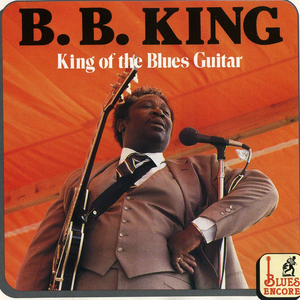
The Thrill Is Gone
B.B. King
Roy Hawkins, Rick Darnell
Listen to the Song
Search for videoAt a glance
- Key
- B minor
- Time signature
- 4/4
- Main progression
- i7–iv7–i7–bVImaj7–V7–i7
- Chords used
- Gmaj7 · F#7alt · Bm7 · Em7 · F#7
Summary
As B.B. King's signature crossover hit, this track revolutionized the genre by blending raw electric blues with polished string arrangements. Its success in 1970 transformed King into a global icon and remains a definitive example of minor-key blues storytelling.
Chord Sheet
Chords Used
Progression by Section
Turnaround
Chorus
Verse
Chord Diagrams
N/A
Musical Analysis
The song is distinctive for popularizing the 'minor blues' format to a mainstream audience. Unlike the standard major blues which uses dominant 7th chords for the I and IV, this song uses minor 7th chords, creating a darker, more melancholic mood. The harmonic…
History
The song was originally written and recorded by West Coast blues musician Roy Hawkins and Rick Darnell in 1951. B.B. King had been a fan of the song for nearly two decades and had intended to cover it for years, but he waited until he found the right arrangeme…
“The use of strings was a calculated risk by producer Bill Szymczyk to help King cross over into the pop market.”
Full musical analysis
The song is distinctive for popularizing the 'minor blues' format to a mainstream audience. Unlike the standard major blues which uses dominant 7th chords for the I and IV, this song uses minor 7th chords, creating a darker, more melancholic mood. The harmonic highlight is the substitution of the typical V-IV progression in bars 9-10 with a bVImaj7 (Gmaj7) to V7 (F#7) progression. This 'step-down' from the G to the F# creates a distinctive 'cry' that defines the song's emotional core. The use of strings and extended chords like the Major 7th on the VI chord adds a level of sophisticated jazz-inflected production rarely seen in earlier Chicago or Delta blues.
The song was originally written and recorded by West Coast blues musician Roy Hawkins and Rick Darnell in 1951. B.B. King had been a fan of the song for nearly two decades and had intended to cover it for years, but he waited until he found the right arrangement to differentiate it from the original minor R&B hit.
As B.B. King's signature crossover hit, this track revolutionized the genre by blending raw electric blues with polished string arrangements. Its success in 1970 transformed King into a global icon and remains a definitive example of minor-key blues storytelling.
Some sections are still pending
6 of 12 sections are ready. Ask for the rest and this song moves up our analysis queue.
Song DNA
Genre
Blues
Era
70s
Mood
Melancholic
Tempo
Slow
Key
Minor Blues
Texture
Layered
Sound
Guitar-driven
Feel
Groovy
Explore More
Explore related
Statistics
2.9M
Plays
650K
Listeners
115K
Genius Views
2
Annotations
100%
Popularity
4:02
Duration
4/4
Time
Credits
Written by
Produced by
Compilations
- The Very Best of Blues Brother Soul Sister+1 variant1995
- Blues Brother Soul Sister Classics1999