Summary
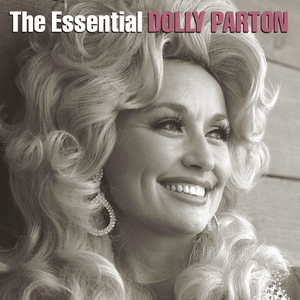
Written in 1969 on the back of a dry cleaning receipt and released in September 1971, 'Coat of Many Colors' is among Parton's most personal recordings — a first-person account of wearing a patchwork coat her mother sewed from donated rags, only to be ridiculed at school. Produced by Bob Ferguson and reaching #4 on the U.S. country singles chart, it draws on Appalachian storytelling, the biblical tale of Joseph, and Parton's own East Tennessee childhood. Decades later it remains one of country music's definitive narrative songs.
Musical Analysis
The harmony in 'Coat of Many Colors' is deliberately unadorned — a I–IV–V–I pattern in G major that sits squarely in the Appalachian country gospel tradition. There are no chromatic movements, secondary dominants, or modulations; the tonal language is as unass…
Chords
History
Parton wrote the song in 1969 while traveling with Porter Wagoner on a tour bus. Finding no paper, she grabbed the back of a dry cleaning receipt from one of Wagoner's suits and wrote the lyrics as the melody arrived. When the song became a hit, Wagoner had th…
“Parton performed the song live in April 1970 for the album A Real Live Dolly, but the track was held back from that release; it finally appeared as a bonus track on her career box…”
📝 Lyrics
nostalgic · bittersweet · hopefulTheme
Emotional wealth versus material poverty — a child's coat made of rags becomes a symbol of her mother's love and the dignity that comes from being loved unconditionally
Surface
Young Dolly Parton receives a patchwork coat sewn by her mother from donated rags, wears it proudly to school, and is mocked by classmates who see only tattered cloth
Deeper meaning
The song argues that poverty is a state of mind, not a bank balance. The coat stitched from rags carries more value than any store-bought garment because each patch holds an act of love. Parton frames material deprivation as irrelevant against the richness of family and faith, a philosophy rooted in her Appalachian upbringing.
Symbols
Full Musical Analysis
The harmony in 'Coat of Many Colors' is deliberately unadorned — a I–IV–V–I pattern in G major that sits squarely in the Appalachian country gospel tradition. There are no chromatic movements, secondary dominants, or modulations; the tonal language is as unassuming as the coat at the center of the story. That restraint is a deliberate choice: producer Bob Ferguson and Parton understood that harmonic complexity would compete with the lyric, and the lyric is the whole point.
Parton wrote the song in 1969 while traveling with Porter Wagoner on a tour bus. Finding no paper, she grabbed the back of a dry cleaning receipt from one of Wagoner's suits and wrote the lyrics as the melody arrived. When the song became a hit, Wagoner had the receipt framed; he later donated it to Dollywood's Chasing Rainbows Museum.
Written in 1969 on the back of a dry cleaning receipt and released in September 1971, 'Coat of Many Colors' is among Parton's most personal recordings — a first-person account of wearing a patchwork coat her mother sewed from donated rags, only to be ridiculed at school. Produced by Bob Ferguson and reaching #4 on the U.S. country singles chart, it draws on Appalachian storytelling, the biblical tale of Joseph, and Parton's own East Tennessee childhood. Decades later it remains one of country music's definitive narrative songs.
Deep Analysis Available
Detailed analysis of this section is not yet available for this song.
Song DNA
Genre
Country
Era
70s
Mood
Nostalgic
Tempo
Mid-tempo
Key
Major
Texture
Sparse
Sound
Acoustic
Feel
Straight
Explore More
More by Dolly Parton
See all songs →Similar Songs
Explore related
Statistics
688K
Plays
171K
Listeners
126K
Genius Views
9
Annotations
100%
Popularity
3:05
Duration
4/4
Time