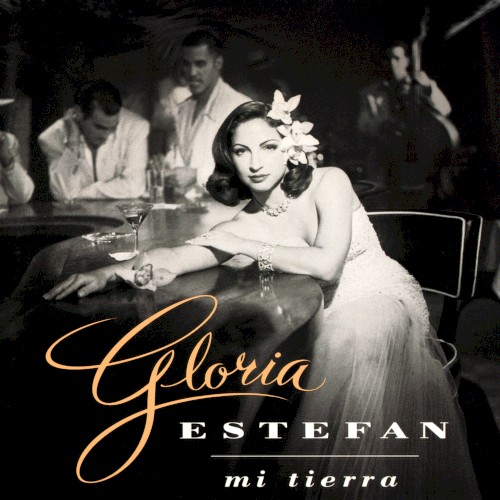
Mi tierra
Gloria Estefan
Mi tierra (1993)
Gloria Estefan, Estéfano
Listen to the Song
Summary
Released as the lead single from Mi Tierra in June 1993, the song channels the nostalgia of Cuban displacement through a driving son montuno rhythm written by Colombian songwriter Estefano and Estefan herself. Produced by Emilio Estefan Jr., Jorge Casas, and Clay Ostwald at Crescent Moon Studios in Miami, it gave Estefan her most personal artistic statement. The track topped the Billboard Hot Latin Songs chart and took home the Lo Nuestro Award for Tropical Song of the Year.
Musical Analysis
The harmonic language of 'Mi Tierra' is deliberately spare: a small group of diatonic major-key chords recycled with relentless rhythmic precision. That restraint is central to the son montuno idiom — the emotional power comes from the clave-locked percussion,…
Chords
History
Gloria Estefan had wanted to record a Spanish-language album reflecting her Cuban heritage since the start of her career, shaped by childhood memories of her grandmother teaching her old Cuban songs and an uncle who played flute in a salsa band. In January 199…
“Crescent Moon Studios was the Estefan family's own Miami facility, giving the production team full creative control over the project.”
Full Musical Analysis
The harmonic language of 'Mi Tierra' is deliberately spare: a small group of diatonic major-key chords recycled with relentless rhythmic precision. That restraint is central to the son montuno idiom — the emotional power comes from the clave-locked percussion, the interplay between Estefan's vocals and the rhythm section, and the propulsive montuno figure, not from harmonic complexity. The song demonstrates how a tight diatonic framework, when grounded in Cuban rhythmic tradition, can carry the full weight of cultural memory.
Gloria Estefan had wanted to record a Spanish-language album reflecting her Cuban heritage since the start of her career, shaped by childhood memories of her grandmother teaching her old Cuban songs and an uncle who played flute in a salsa band. In January 1993 she announced the project publicly. Colombian songwriter Estefano composed four of the album's tracks, including the title song, which he co-wrote with Estefan. She was deliberate about the lyric's universality: the longing for one's homeland was not meant only for Cubans — Estefano's own Colombian roots were cited as evidence that any Hispanic immigrant could find themselves in the song.
Released as the lead single from Mi Tierra in June 1993, the song channels the nostalgia of Cuban displacement through a driving son montuno rhythm written by Colombian songwriter Estefano and Estefan herself. Produced by Emilio Estefan Jr., Jorge Casas, and Clay Ostwald at Crescent Moon Studios in Miami, it gave Estefan her most personal artistic statement. The track topped the Billboard Hot Latin Songs chart and took home the Lo Nuestro Award for Tropical Song of the Year.
Deep Analysis Available
Detailed analysis of this section is not yet available for this song.
Song DNA
Genre
Pop
Era
90s
Mood
Nostalgic
Tempo
Upbeat
Key
Major
Texture
Full Band
Sound
Vocal-focused
Feel
Syncopated
Explore More
More by Gloria Estefan
See all songs →Similar Songs
Explore related
Statistics
259K
Plays
77K
Listeners
28K
Genius Views
15
Annotations
100%
Popularity
4:40
Duration
4/4
Time
Credits
Written by
Produced by
From the album Mi tierra