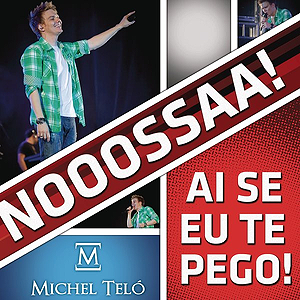
Ai Se Eu Te Pego
Michel Teló
Antonio Dyggs, Sharon Acioly, Karine Vinagre +2
Listen to the Song
At a glance
- Key
- B major
- Time signature
- 4/4
- Main progression
- I–V–vi–IV
- Chords used
- B · F# · G#m · E
Summary
Michel Teló's 2011 recording transformed a Northeastern Brazilian hit into a worldwide chart-topper following a viral goal celebration by Cristiano Ronaldo. The track dominated international music charts and remains one of the most successful Brazilian exports in commercial history.
Chord Sheet
Chords Used
Progression by Section
Chorus
Verse
Chord Diagrams
Musical Analysis
The song employs the 'Axis of Awesome' or 'Sensitive Female' chord progression, a staple of global pop music since the 1990s. Its harmonic identity is defined by a lack of traditional V-I resolution at the end of the phrase; instead, it uses the IV chord (E) t…
History
Originally produced in 2008 by Sharon Acioly and Antônio Dyggs, the song's chorus verses were later attributed to three students from Paraíba—Amanda Cruz, Aline Medeiros, and Karine Assis Vinagre—who were eventually recognized as co-authors. The first group to…
“Michel Teló's brother and manager, Teófilo Teló, was the one who realized the song's potential to be a national hit and negotiated the rights with Sharon Acioly.”
Full musical analysis
The song employs the 'Axis of Awesome' or 'Sensitive Female' chord progression, a staple of global pop music since the 1990s. Its harmonic identity is defined by a lack of traditional V-I resolution at the end of the phrase; instead, it uses the IV chord (E) to lead back to the tonic (B), creating a plagal motion that supports the cyclical nature of Brazilian Sertanejo and Arrocha. The simplicity of the harmony allows the focus to remain on the accordion riffs and the highly repetitive, anthemic lyrical hooks.
Originally produced in 2008 by Sharon Acioly and Antônio Dyggs, the song's chorus verses were later attributed to three students from Paraíba—Amanda Cruz, Aline Medeiros, and Karine Assis Vinagre—who were eventually recognized as co-authors. The first group to perform the song was Os Meninos de Seu Zeh, who altered the lyrics from 'sábado na Kabana' (referencing a local night house in Feira de Santana) to 'sábado na balada.' It was later recorded commercially by the groups Cangaia de Jegue and Garota Safada. Michel Teló discovered the song at a São João festival in Salvador when he heard Cangaia de Jegue perform it.
Michel Teló's 2011 recording transformed a Northeastern Brazilian hit into a worldwide chart-topper following a viral goal celebration by Cristiano Ronaldo. The track dominated international music charts and remains one of the most successful Brazilian exports in commercial history.
Some sections are still pending
6 of 12 sections are ready. Ask for the rest and this song moves up our analysis queue.
Song DNA
Genre
Sertanejo Pop
Era
2010s
Mood
Euphoric
Tempo
Upbeat
Key
Major
Texture
Full Band
Sound
Accordion-led
Feel
Syncopated
Explore More
Explore related
Statistics
1.7M
Plays
270K
Listeners
133K
Genius Views
1
Annotations
100%
Popularity
2:43
Duration
4/4
Time