This song is a masterclass in the 'Stax Soul' harmonic vocabulary, primarily utilizing major triads even where the G major scale dictates minor chords. By using III7 (B7), VI (E), and II (A), the harmony avoids the 'sad' quality of diatonic minor chords, creating a bittersweet tension against the melancholic lyrics. The progression is driven by Steve Cropper's guitar work, which treats these chords as shifting tonal centers rather than strict functional dominant resolutions.
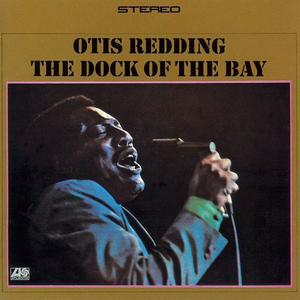
Otis Redding began writing the lyrics to the song in August 1967, while sitting on a rented houseboat at Waldo Point in Sausalito, California, following his performance at the Monterey Pop Festival. He later completed the song in Memphis with the help of Stax guitarist and producer Steve Cropper, who contributed the bridge and the iconic guitar licks.
Recorded just days before his tragic passing, this track represents Otis Redding's transition toward a more folk-influenced 'Memphis Soul' sound. It remains one of the most iconic songs in music history, serving as the first posthumous number-one single on the Billboard Hot 100.