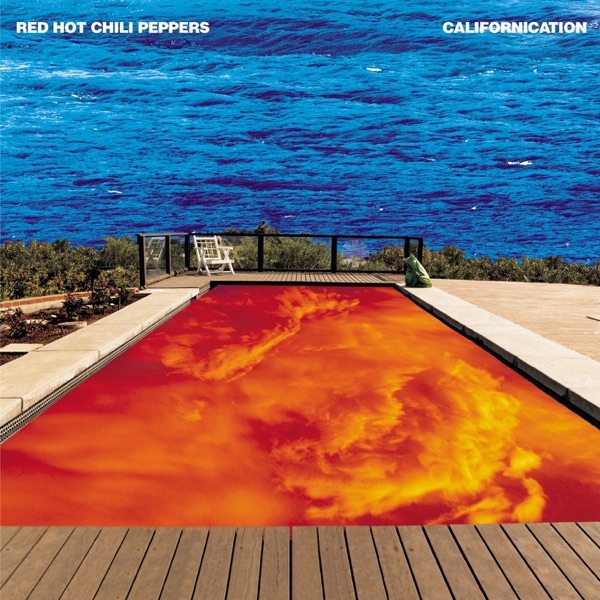
Californication
Red Hot Chili Peppers
Californication (1999)
Listen to the Song
Summary
As the title track of their 1999 comeback album, this song redefined the band’s sound with melodic restraint and introspective lyrics. It remains one of the most iconic alternative rock anthems of the era, famous for its sparse arrangement and surreal music video.
Musical Analysis
Californication is a masterclass in using harmonic 'space' to evoke a specific mood. The song is built upon a stark, minimalist foundation in A minor, primarily alternating between Am and F. This two-chord loop in the verses creates a sense of weary, observati…
Chords
History
The song was notoriously difficult to complete and was almost left off the album. Anthony Kiedis had written the lyrics and melody, but the band struggled to find a matching musical arrangement for months. Producer Rick Rubin insisted they keep working on it.…
“John Frusciante played a 1955 Gretsch White Falcon for the song's iconic riff.”
📝 Lyrics
melancholic · cynical · reflectiveTheme
The artificiality of modern culture and the global spread of Hollywood's superficial values.
Surface
A commentary on the culture of California, specifically the entertainment industry and its influence on society.
Deeper meaning
An exploration of how the world is undergoing a process of homogenization, where local identities are replaced by a plastic, manufactured 'American Dream' exported by Hollywood. It deals with the loss of soul and reality in exchange for fame, beauty, and digital simulation.
Symbols
Full Musical Analysis
The song's harmony is based around a descending chord progression that creates a melancholic and introspective mood. It's mostly diatonic with some chromatic passing tones.
The rhythm is generally laid-back and mid-tempo, with a consistent drum groove that supports the melody. The bassline is melodic and plays an integral part in the song's feel.
The vocal melody is singable and memorable, with a smooth contour that complements the song's overall tone. Frusciante's guitar melody echoes and expands upon the vocal melody.
The song was notoriously difficult to complete and was almost left off the album. Anthony Kiedis had written the lyrics and melody, but the band struggled to find a matching musical arrangement for months. Producer Rick Rubin insisted they keep working on it. Finally, John Frusciante walked into the studio two days before recording was set to end and presented the sparse, arpeggiated guitar riff that defined the track.
As the title track of their 1999 comeback album, this song redefined the band’s sound with melodic restraint and introspective lyrics. It remains one of the most iconic alternative rock anthems of the era, famous for its sparse arrangement and surreal music video.
Deep Analysis Available
Detailed analysis of this section is not yet available for this song.
Song DNA
Genre
Rock
Era
90s
Mood
Melancholic
Tempo
Mid-tempo
Key
Minor
Texture
Sparse
Sound
Guitar-driven
Feel
Groovy
Explore More
More by Red Hot Chili Peppers
See all songs →Explore related
Listen & Learn
Statistics
27.8M
Plays
3.0M
Listeners
100%
Popularity
6:50
Duration
4/4
Time
Chord Sheet
Song Structure
Verse-Chorus-Verse-Chorus-Bridge-Chorus-Outro