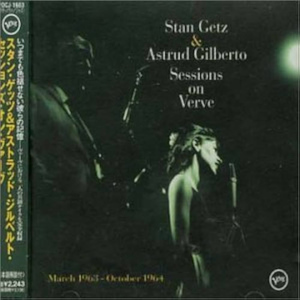
The Girl From Ipanema
Stan Getz
The Girl From Ipanema (1964)
Antônio Carlos Jobim, Norman Gimbel, Vinícius de Moraes
Listen to the Song
Summary
Originally released in 1964, this track ignited a global bossa nova craze and remains one of the most recorded pop songs in history. It masterfully blends Brazilian samba rhythms with the 'cool' jazz aesthetic of the 1960s to create a sophisticated, laid-back masterpiece.
Musical Analysis
The harmony is characterized by the 'Bossa Nova' sound: a combination of lush Jazz extensions (9ths, 13ths) and complex chromatic transitions. Unlike standard pop, it avoids the V7-I cadence in favor of the tritone substitute (bII7-I) and features a bridge tha…
Chords
History
The song was written by Antônio Carlos Jobim and Vinícius de Moraes in 1962. Originally titled 'Menina que Passa', it was intended for a musical comedy called 'Blimp'. Norman Gimbel later wrote the English lyrics, which helped it achieve international fame.
“Astrud Gilberto was not originally intended to be on the track and received no credit on the initial album release.”
📝 Lyrics
melancholic · serene · wistfulTheme
Unrequited admiration and the ephemeral nature of beauty
Surface
An observer watches a beautiful young woman walk past him toward the sea every day, but she never notices his existence.
Deeper meaning
The song explores the existential distance between the observer and the observed. It captures the 'saudade'—a Portuguese word for a deep emotional state of nostalgic longing—reflecting how beauty can inspire both joy in the viewer and a profound sense of loneliness because that beauty is unattainable and fleeting.
Symbols
Full Musical Analysis
The harmony is characterized by the 'Bossa Nova' sound: a combination of lush Jazz extensions (9ths, 13ths) and complex chromatic transitions. Unlike standard pop, it avoids the V7-I cadence in favor of the tritone substitute (bII7-I) and features a bridge that travels through distant tonal centers via parallel movement, making it highly sophisticated for a popular song.
The song was written by Antônio Carlos Jobim and Vinícius de Moraes in 1962. Originally titled 'Menina que Passa', it was intended for a musical comedy called 'Blimp'. Norman Gimbel later wrote the English lyrics, which helped it achieve international fame.
Originally released in 1964, this track ignited a global bossa nova craze and remains one of the most recorded pop songs in history. It masterfully blends Brazilian samba rhythms with the 'cool' jazz aesthetic of the 1960s to create a sophisticated, laid-back masterpiece.
Song DNA
Genre
Jazz
Era
60s
Mood
Peaceful
Tempo
Mid-tempo
Key
Major
Texture
Sparse
Sound
Acoustic
Feel
Syncopated
Explore More
More by Stan Getz
See all songs →Similar Songs
Explore related
Statistics
51K
Plays
9K
Listeners
584K
Genius Views
10
Annotations
94%
Popularity
5:22
Duration
129
BPM
4/4
Time
Credits
Written by
Produced by
Featuring
From the album Getz/Gilberto
Compilations
- Dick Bartley Presents One Hit Wonders of the ’60s, Volume 11990
- The Sound of America: The Singles Collection2013
Chord Sheet
Chords Used
Progression by Section
Bridge
Verse
Chord Diagrams
N/A
N/A
N/A
N/A
N/A
N/A
N/A
N/A