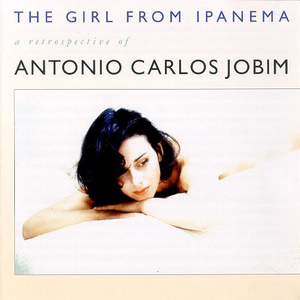
Wave
Antonio Carlos Jobim
Wave (1967)
Antônio Carlos Jobim
Listen to the Song
Summary
Originally released as the title track of his 1967 instrumental album, Jobim's 'Wave' is a cornerstone of the Bossa Nova movement. It seamlessly blends cool jazz sensibilities with traditional samba rhythms, later becoming a global standard after legendary collaborations with artists like Frank Sinatra.
Musical Analysis
"Wave" is a textbook study in how bossa nova absorbed jazz harmony and made it breathe. The song is rooted in D major but never stays put: secondary dominants (F#7 as V/vi), tritone substitutions (Bb9 for E7), and fleeting tonicizations of G major and B minor…
Chords
History
Written by Antonio Carlos Jobim as a bossa nova instrumental, the song was later fitted with English lyrics by the composer himself. It serves as a bridge between Brazilian bossa nova and American jazz, designed to evoke the rolling, repetitive nature of ocean…
“Frank Sinatra's 1969 vocal recording of the song features his lowest recorded note, a low E-flat.”
📝 Lyrics
romantic · serene · philosophicalTheme
The transformative power of love as a remedy for existential loneliness.
Surface
The narrator invites a lover to close their eyes and embrace the intimacy they share, suggesting that their connection is a unique and magical refuge.
Deeper meaning
The song explores the concept of 'fundamental loneliness'—the inherent isolation of the human soul. It suggests that while the world is often cold and driven by pride, love and 'dreaming together' provide a way to transcend that isolation, making the harshness of the world vanish like a wave on the sea.
Symbols
Full Musical Analysis
"Wave" is a textbook study in how bossa nova absorbed jazz harmony and made it breathe. The song is rooted in D major but never stays put: secondary dominants (F#7 as V/vi), tritone substitutions (Bb9 for E7), and fleeting tonicizations of G major and B minor create a constantly shifting landscape that feels lyrical rather than academic. Jobim's hallmark Lydian dominant — the raised-11th coloring on F#7 — softens the dominant tension into something floating and impressionistic. What is most remarkable is the voice-leading: nearly every chord transition moves by half-step or common tone in at least one inner voice, so the harmonic density never interrupts the song's melodic flow. For a musician, this is advanced jazz-grade harmony; for a listener, it sounds like sunlight on water.
Written by Antonio Carlos Jobim as a bossa nova instrumental, the song was later fitted with English lyrics by the composer himself. It serves as a bridge between Brazilian bossa nova and American jazz, designed to evoke the rolling, repetitive nature of ocean waves.
Originally released as the title track of his 1967 instrumental album, Jobim's 'Wave' is a cornerstone of the Bossa Nova movement. It seamlessly blends cool jazz sensibilities with traditional samba rhythms, later becoming a global standard after legendary collaborations with artists like Frank Sinatra.
Song DNA
Genre
Jazz
Era
60s
Mood
Peaceful
Tempo
Mid-tempo
Key
Major
Texture
Layered
Sound
Acoustic
Feel
Syncopated
Explore More
Similar Songs
Explore related
Statistics
1.6M
Plays
360K
Listeners
52K
Genius Views
2
Annotations
100%
Popularity
2:55
Duration
136
BPM
4/4
Time
Credits
Written by
Produced by
From the album Terra Brasilis
Chord Sheet
Chords Used
Progression by Section
Verse
Chorus
Chord Diagrams
N/A
N/A
N/A
N/A
N/A
N/A
N/A