Jungleland
Bruce Springsteen
Bruce Springsteen
Listen to the Song
Summary
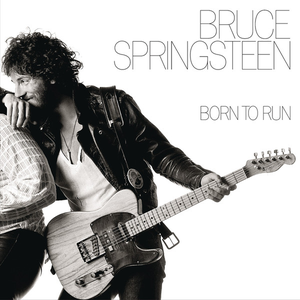
The finale of Bruce Springsteen's 1975 Born to Run, 'Jungleland' unfolds like a short film: a violin prelude gives way to a sprawling narrative of street life and doomed romance, culminating in Clarence Clemons' saxophone solo that Springsteen called his greatest recorded moment. At 9 minutes 23 seconds, it is the most ambitious track in the E Street Band catalog and a benchmark for rock as a literary form.
Musical Analysis
Early versions of 'Jungleland' were explicitly jazz-influenced, shaped by David Sancious' keyboard approach. By the final recording, Springsteen had stripped back those elements in favor of a rock-operatic structure anchored in E major — but the compositional…
Chords
History
Springsteen began developing 'Jungleland' as early as January 8, 1974, when the first rehearsal take was cut at 914 Sound Studios in Blauvelt, New York. At that stage it resembled the jazzed-up mini-operas of The Wild, the Innocent & the E Street Shuffle, shap…
“Clemons described the recording process: 'All we could do was hold on. Smoke a lot of pot and try to stay calm' — he spent sixteen hours on the solo to satisfy Springsteen's exacti…”
📝 Lyrics
melancholic · cinematic · desperateTheme
Doomed street romance and the failure of escape in urban America
Surface
A night in the life of the Magic Rat and the Barefoot Girl — two street characters who find each other briefly before the city swallows them. Gang rivalries, midnight streets, and a violent conclusion frame their story.
Deeper meaning
Springsteen frames the song as the dark mirror to 'Thunder Road': where that album's opener offered the possibility of escape, 'Jungleland' closes it with hard-won defeat. The city is a spiritual battleground where passion and ambition collide with brute reality. The Magic Rat stands in for every working-class dreamer who reaches for something larger than circumstance allows.
Symbols
Full Musical Analysis
Early versions of 'Jungleland' were explicitly jazz-influenced, shaped by David Sancious' keyboard approach. By the final recording, Springsteen had stripped back those elements in favor of a rock-operatic structure anchored in E major — but the compositional ambition remained. The harmonic vocabulary stays close to I-IV-V-vi, yet the dramatic weight comes from how the band navigates those changes across a nine-minute canvas with five distinct emotional movements, none of which repeat in standard verse-chorus fashion. That structural daring, rather than harmonic complexity per se, is what sets 'Jungleland' apart.
Springsteen began developing 'Jungleland' as early as January 8, 1974, when the first rehearsal take was cut at 914 Sound Studios in Blauvelt, New York. At that stage it resembled the jazzed-up mini-operas of The Wild, the Innocent & the E Street Shuffle, shaped by keyboardist David Sancious' influences. Springsteen debuted it live at The Bottom Line in New York on July 12, 1974, and kept refining the lyrics over the following months — stripping away jazz elements, adding Suki Lahav's violin to the introduction, and sharpening the noir narrative centered on the Magic Rat and the Barefoot Girl.
The finale of Bruce Springsteen's 1975 Born to Run, 'Jungleland' unfolds like a short film: a violin prelude gives way to a sprawling narrative of street life and doomed romance, culminating in Clarence Clemons' saxophone solo that Springsteen called his greatest recorded moment. At 9 minutes 23 seconds, it is the most ambitious track in the E Street Band catalog and a benchmark for rock as a literary form.
Deep Analysis Available
Detailed analysis of this section is not yet available for this song.
Song DNA
Genre
Rock
Era
70s
Mood
Dark
Tempo
Slow
Key
Major
Texture
Full Band
Sound
Piano-led
Feel
Straight
Explore More
More by Bruce Springsteen
See all songs →Similar Songs
Explore related
Statistics
1.2M
Plays
220K
Listeners
228K
Genius Views
27
Annotations
100%
Popularity
9:35
Duration
4/4
Time
Credits
Written by
Produced by
Chord Sheet
Chords Used
Progression by Section
Chorus
Verse