Listen to the Song
Song DNA
Genre
Jazz
Era
50s
Mood
Sophisticated
Tempo
Mid-tempo
Key
Minor
Texture
Full Band
Sound
Acoustic
Feel
Syncopated
Dave Brubeck
Time Out (1959)
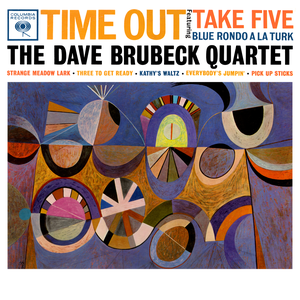
Released on the groundbreaking 1959 album 'Time Out', this track became an unlikely pop hit and the first million-selling jazz single. It showcases the Dave Brubeck Quartet's mastery of odd time signatures blended with a sophisticated, laid-back West Coast sound.
Take Five is a landmark of modal jazz. Its harmonic distinction lies in the contrast between the static, repetitive Eb minor vamp and the more functional, active bridge. While the vamp uses the Aeolian v7 chord (Bbm7) to maintain a mellow mood, the bridge rein…
Dave Brubeck tasked saxophonist Paul Desmond with writing a piece in 5/4 time, a signature Joe Morello had been experimenting with on drums. Desmond initially struggled, but eventually presented two distinct themes. Brubeck suggested combining them into a tern…
“The song was originally intended as a showcase for drummer Joe Morello.”
Take Five is a landmark of modal jazz. Its harmonic distinction lies in the contrast between the static, repetitive Eb minor vamp and the more functional, active bridge. While the vamp uses the Aeolian v7 chord (Bbm7) to maintain a mellow mood, the bridge reintroduces functional tension with a true dominant (Bb7) to signal the return to the head. The use of the Cbmaj7 (the flat VI) provides a lush, Romantic-era harmonic color that distinguishes it from more aggressive bebop changes.
Dave Brubeck tasked saxophonist Paul Desmond with writing a piece in 5/4 time, a signature Joe Morello had been experimenting with on drums. Desmond initially struggled, but eventually presented two distinct themes. Brubeck suggested combining them into a ternary (A-B-A) structure, with the drum solo serving as the bridge and centerpiece.
Released on the groundbreaking 1959 album 'Time Out', this track became an unlikely pop hit and the first million-selling jazz single. It showcases the Dave Brubeck Quartet's mastery of odd time signatures blended with a sophisticated, laid-back West Coast sound.
Detailed analysis of this section is not yet available for this song.
Genre
Jazz
Era
50s
Mood
Sophisticated
Tempo
Mid-tempo
Key
Minor
Texture
Full Band
Sound
Acoustic
Feel
Syncopated
2.2M
Plays
470K
Listeners
1
Annotations
100%
Popularity
2:58
Duration
4/4
Time
Bridge
Verse
N/A
N/A
N/A
N/A
N/A
N/A
N/A
N/A
Chords Cbmaj7 N/A Abm6 N/A Bbm7 N/A Ebm7 N/A Abm7 N/A Db7 N/A Gbmaj7 N/A F7 Bb7 N/A Cbmaj7 Abm6 Bbm7 Ebm7 Abm7 Db7 Gbmaj7 F7 Bb7 Harmony Take Five is a landmark of modal jazz. Its harmonic distinction lies in the contrast between the static, repetitive Eb minor vamp and the more functional, active bridge. While the vamp uses the Aeolian v7 chord (Bbm7) to maintain a mellow mood, the bridge reintroduces functional tension with a true dominant (Bb7) to signal the return to the head. The use of the Cbmaj7 (the flat VI) provides a lush, Romantic-era harmonic color that distinguishes it from more aggressive bebop changes. Deep Analysis Available Detailed analysis of this section is not yet available for this song. Notify me when it's ready Request Full Analysis
Chord Diagrams Cbmaj7 N/A Abm6 N/A Bbm7 N/A Ebm7 N/A Abm7 N/A Db7 N/A Gbmaj7 N/A F7 Bb7 N/A
Composition Dave Brubeck tasked saxophonist Paul Desmond with writing a piece in 5/4 time, a signature Joe Morello had been experimenting with on drums. Desmond initially struggled, but eventually presented two distinct themes. Brubeck suggested combining them into a ternary (A-B-A) structure, with the drum solo serving as the bridge and centerpiece. Inspiration: Inspired by the rhythmic experiments of Joe Morello, who frequently played a 5/4 beat during the quartet's rehearsals and warm-ups. Recording Studio: Columbia 30th Street Studio Producer: Teo Macero The song was originally intended as a showcase for drummer Joe Morello. It is written in the unusual 5/4 time signature, which was rare for popular music of the era. The piano vamp played by Brubeck remains constant throughout most of the piece to provide a stable base for the soloists.
Chord Sheet Transpose 0 Capo 0 1 2 3 4 5 6 7 Auto-scroll Print Reset Chords Used Hide functions Ebm7 i7 T Bbm7 v7 D Progression by Section Bridge Cbmaj7 VImaj7 Abm6 iv6 P Bbm7 v7 D Ebm7 i7 T Abm7 ii7/III P Db7 V7/III D Gbmaj7 IIImaj7 T Cbmaj7 VImaj7 D Abm6 iv6 D Bbm7 v7 Ebm7 i7 Abm7 ii7/III Db7 V7/III F7 V7/V Bb7 V7 Verse Ebm7 i7 T Bbm7 v7 D Chord Diagrams Cbmaj7 N/A Abm6 N/A Bbm7 N/A Ebm7 N/A Abm7 N/A Db7 N/A Gbmaj7 N/A F7 Bb7 N/A Harmony Analysis Take Five is a landmark of modal jazz. Its harmonic distinction lies in the contrast between the static, repetitive Eb minor vamp and the more functional, active bridge. While the vamp uses the Aeolian v7 chord (Bbm7) to maintain a mellow mood, the bridge reintroduces functional tension with a true dominant (Bb7) to signal the return to the head. The use of the Cbmaj7 (the flat VI) provides a lush, Romantic-era harmonic color that distinguishes it from more aggressive bebop changes. Find Tabs & Chords Songsterr Interactive tabs Ultimate Guitar Chords & tabs Cifra Club Chords
🎶 Similar Tracks Three to Get Ready Dave Brubeck Blue Rondo à la Turk Dave Brubeck Autumn Leaves Cannonball Adderley Take Five The Dave Brubeck Quartet Goodbye Pork Pie Hat Charles Mingus Cantaloupe Island Herbie Hancock 🎤 More by Dave Brubeck Take Five 2.2M plays Unsquare Dance 609K plays Blue Rondo A La Turk 271K plays Bossa Nova U.S.A. 206K plays Blue Rondo à la Turk 209K plays In Your Own Sweet Way 185K plays Lyrics View Lyrics on Genius
Three to Get ReadyDave BrubeckBlue Rondo à la TurkDave BrubeckAutumn LeavesCannonball AdderleyTake FiveThe Dave Brubeck QuartetGoodbye Pork Pie HatCharles MingusCantaloupe IslandHerbie HancockTake Five2.2M playsUnsquare Dance609K playsBlue Rondo A La Turk271K playsBossa Nova U.S.A.206K playsBlue Rondo à la Turk209K playsIn Your Own Sweet Way185K plays