Listen to the Song
Song DNA
Genre
Rock
Era
60s
Mood
Tense
Tempo
Mid-tempo
Key
Major
Texture
Layered
Sound
Vocal-focused
Feel
Syncopated
Elvis Presley
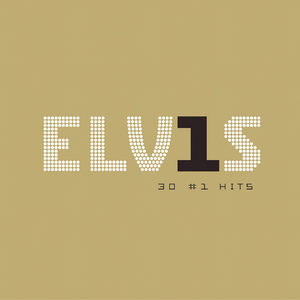
“That’s the Way It Is” (2000)
Mark James
Recorded at American Sound Studio in Memphis, this 1969 hit marked Presley's eighteenth and final number-one single in the United States. It masterfully blends rock, soul, and gospel influences, characterized by its dramatic arrangement and a signature 'fake' fade-out ending.
The harmony of 'Suspicious Minds' is defined by its use of the iii chord (Bm) to undercut the bright G Major tonic, mirroring the lyrical theme of mistrust within a relationship. Unlike generic pop songs that strictly follow I-IV-V-I, this song uses the bridge…
The song was written by songwriter Mark James, who was signed to Moman's publishing company. James had recorded his own version in 1968 for Scepter Records, but it failed to gain commercial traction. When Elvis arrived at American Sound Studio to revitalize hi…
“Session guitarist Reggie Young played the signature guitar lick on both the original Mark James version and the Elvis Presley cover.”
The harmony of 'Suspicious Minds' is defined by its use of the iii chord (Bm) to undercut the bright G Major tonic, mirroring the lyrical theme of mistrust within a relationship. Unlike generic pop songs that strictly follow I-IV-V-I, this song uses the bridge to explore the relative minor (Em) and a gospel-inflected 'slow-down' section that shifts the time feel while keeping the harmony centered on a classic I-IV-I-V turnaround.
The song was written by songwriter Mark James, who was signed to Moman's publishing company. James had recorded his own version in 1968 for Scepter Records, but it failed to gain commercial traction. When Elvis arrived at American Sound Studio to revitalize his career, Moman suggested the track to him.
Recorded at American Sound Studio in Memphis, this 1969 hit marked Presley's eighteenth and final number-one single in the United States. It masterfully blends rock, soul, and gospel influences, characterized by its dramatic arrangement and a signature 'fake' fade-out ending.
Detailed analysis of this section is not yet available for this song.
Genre
Rock
Era
60s
Mood
Tense
Tempo
Mid-tempo
Key
Major
Texture
Layered
Sound
Vocal-focused
Feel
Syncopated
5.7M
Plays
931K
Listeners
265K
Genius Views
13
Annotations
100%
Popularity
4:22
Duration
4/4
Time
From the album Wanted!
Bridge
Chorus
Verse
Chords Em Bm ✕ C ✕ D ✕ ✕ G Em Bm C D G Harmony The harmony of 'Suspicious Minds' is defined by its use of the iii chord (Bm) to undercut the bright G Major tonic, mirroring the lyrical theme of mistrust within a relationship. Unlike generic pop songs that strictly follow I-IV-V-I, this song uses the bridge to explore the relative minor (Em) and a gospel-inflected 'slow-down' section that shifts the time feel while keeping the harmony centered on a classic I-IV-I-V turnaround. Deep Analysis Available Detailed analysis of this section is not yet available for this song. Notify me when it's ready Request Full Analysis
Composition The song was written by songwriter Mark James, who was signed to Moman's publishing company. James had recorded his own version in 1968 for Scepter Records, but it failed to gain commercial traction. When Elvis arrived at American Sound Studio to revitalize his career, Moman suggested the track to him. Inspiration: Mark James was inspired by his own personal life; he was married but still had feelings for a childhood sweetheart. His wife was suspicious of these feelings, leading to the theme of a relationship caught in a 'trap' of mistrust. Recording Studio: American Sound Studio Producer: Chips Moman Session guitarist Reggie Young played the signature guitar lick on both the original Mark James version and the Elvis Presley cover. The distinct fade-out and subsequent fade-in during the bridge was not part of the original studio take; it was added later by producer Felton Jarvis to mimic the way Elvis performed the song live. The song features backing vocals by Jeannie Greene, Donna Thatcher, Mary Holladay, and Susan Pilkington.
Chord Sheet Transpose 0 Capo 0 1 2 3 4 5 6 7 Auto-scroll Print Reset Chords Used Hide functions G I T C IV P D V D C IV P G I T Bm iii T Em vi T Progression by Section Bridge Em vi T Bm iii T C IV P D V D G I T C IV P G I T D V D Chorus C IV P G I T Bm iii T C IV P D V D Verse G I T C IV P D V D C IV P Chord Diagrams Em Bm ✕ C ✕ D ✕ ✕ G Harmony Analysis The harmony of 'Suspicious Minds' is defined by its use of the iii chord (Bm) to undercut the bright G Major tonic, mirroring the lyrical theme of mistrust within a relationship. Unlike generic pop songs that strictly follow I-IV-V-I, this song uses the bridge to explore the relative minor (Em) and a gospel-inflected 'slow-down' section that shifts the time feel while keeping the harmony centered on a classic I-IV-I-V turnaround. Find Tabs & Chords Songsterr Interactive tabs Ultimate Guitar Chords & tabs Cifra Club Chords
🎶 Similar Tracks In the Ghetto Elvis Presley Burning Love Elvis Presley Oh, Pretty Woman Roy Orbison Good Vibrations The Beach Boys Happy Together The Turtles Brown Eyed Girl Van Morrison 🎤 More by Elvis Presley Can't Help Falling in Love 11.2M plays Jailhouse Rock 6.2M plays Blue Christmas 3.8M plays Suspicious Minds 5.7M plays Hound Dog 4.1M plays Burning Love 4.4M plays View all Elvis Presley songs → Lyrics View Lyrics on Genius
In the GhettoElvis PresleyBurning LoveElvis PresleyOh, Pretty WomanRoy OrbisonGood VibrationsThe Beach BoysHappy TogetherThe TurtlesBrown Eyed GirlVan MorrisonCan't Help Falling in Love11.2M playsJailhouse Rock6.2M playsBlue Christmas3.8M playsSuspicious Minds5.7M playsHound Dog4.1M playsBurning Love4.4M playsView all Elvis Presley songs →