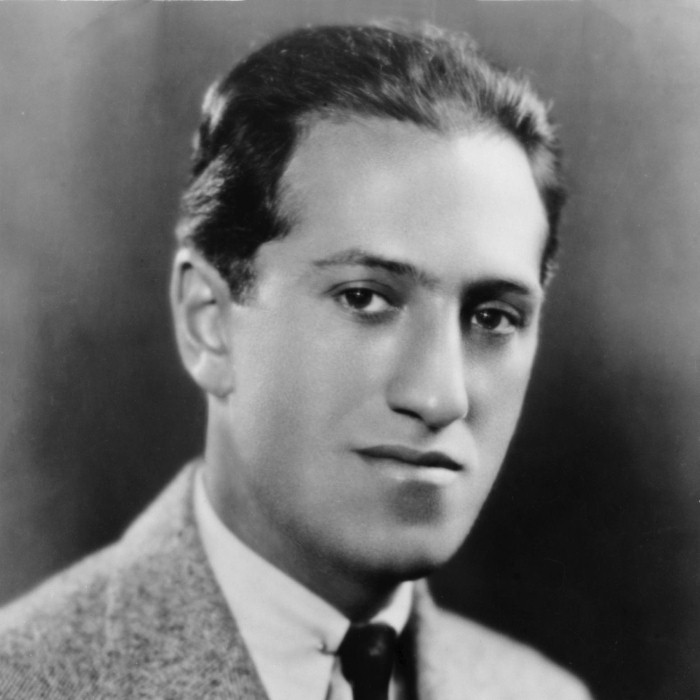
The genius of 'Summertime' lies in Gershwin's ability to make a composed art song sound like authentic folk music. The near-exclusive use of the A minor pentatonic scale creates an archaic, spiritual quality, while the slow-moving blues-inflected harmony provides a foundation that has proven endlessly adaptable. Musicologist K. J. McElrath noted that Gershwin was 'remarkably successful in his intent to have this sound like a folk song,' and it is precisely this fusion of sophistication and simplicity that has made it a favorite of jazz performers for decades, adaptable to virtually any tempo and style.
George Gershwin began composing 'Summertime' in December 1933, attempting to create his own spiritual in the style of African American folk music of the period. He completed setting DuBose Heyward's poem to music by February 1934 and then spent the next 20 months completing and orchestrating the full score of Porgy and Bess. The lyrics were written by DuBose Heyward, author of the novel Porgy on which the opera was based. Heyward drew inspiration from the southern folk spiritual-lullaby 'All My Trials', of which the character Clara sings a snippet in his original play Porgy.
Composed in 1934 for the opera Porgy and Bess, 'Summertime' fuses the African American spiritual tradition with classical art song and blues harmony to create a haunting lullaby. With over a thousand recorded versions spanning jazz, rock, pop, and classical, it stands as one of the most covered and reinterpreted compositions of the 20th century.