Lover, You Should've Come Over Chords
Jeff Buckley
Lover, You Should've Come Over by Jeff Buckley is in the key of G Major. Chord progression: I–V/3rd–vi–V–IV–V–bVII–IV.
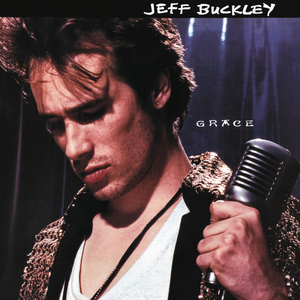
Grace (1994)
Jeff Buckley
Listen to the Song
Chord Sheet
Chords Used
Progression by Section
Pre chorus refrain
Climax bridge
Chorus
Verse
Chord Diagrams
N/A
At a glance
- Key
- G Major
- Time signature
- 4/4
- Main progression
- I–V/3rd–vi–V–IV–V–bVII–IV
- Chords used
- G · F · C · Am · Bm · D · Em · D/F#
Summary
Featured on his seminal 1994 album 'Grace', this track is a quintessential example of Buckley's ability to blend folk, jazz, and gospel into a powerful emotional narrative. It is widely regarded as one of the most poignant heartbreak anthems ever recorded, notable for its soaring vocal climax.
Musical Analysis
The harmonic sophistication of this track lies in Buckley's ability to blend folk-rock structures with soulful gospel movements. While the key is G Major, the frequent use of the bVII (F) prevents the song from feeling like a standard pop-rock progression. The…
History
The song was written during a period of deep reflection following the breakdown of Jeff Buckley's relationship with artist Rebecca Moore. Buckley described the lyrics as being about the realization that he was 'too old to be so young,' mourning the loss of a l…
“The gospel-style backing vocals are entirely Jeff Buckley's voice multi-tracked.”
Full musical analysis
The harmonic sophistication of this track lies in Buckley's ability to blend folk-rock structures with soulful gospel movements. While the key is G Major, the frequent use of the bVII (F) prevents the song from feeling like a standard pop-rock progression. The most distinctive element is the climax where the harmony ascends chromatically/diatonically against a static vocal line, creating a polyphonic tension typical of gospel arrangements. His use of slash chords (D/F#) ensures the bassline remains melodic and fluid rather than jumping between roots.
The song was written during a period of deep reflection following the breakdown of Jeff Buckley's relationship with artist Rebecca Moore. Buckley described the lyrics as being about the realization that he was 'too old to be so young,' mourning the loss of a love due to his own perceived immaturity and inability to commit at the time.
Featured on his seminal 1994 album 'Grace', this track is a quintessential example of Buckley's ability to blend folk, jazz, and gospel into a powerful emotional narrative. It is widely regarded as one of the most poignant heartbreak anthems ever recorded, notable for its soaring vocal climax.
Some sections are still pending
6 of 12 sections are ready. Ask for the rest and this song moves up our analysis queue.
Song DNA
Genre
Rock
Era
90s
Mood
Melancholic
Tempo
Ballad
Key
Major
Texture
Layered
Sound
Vocal-focused
Feel
Swing
Explore More
Similar Songs
Explore related
Statistics
32.1M
Plays
1.6M
Listeners
697K
Genius Views
25
Annotations
100%
Popularity
6:43
Duration
4/4
Time
Credits
Written by
Produced by
From the album A Voice to Hold in the Dark