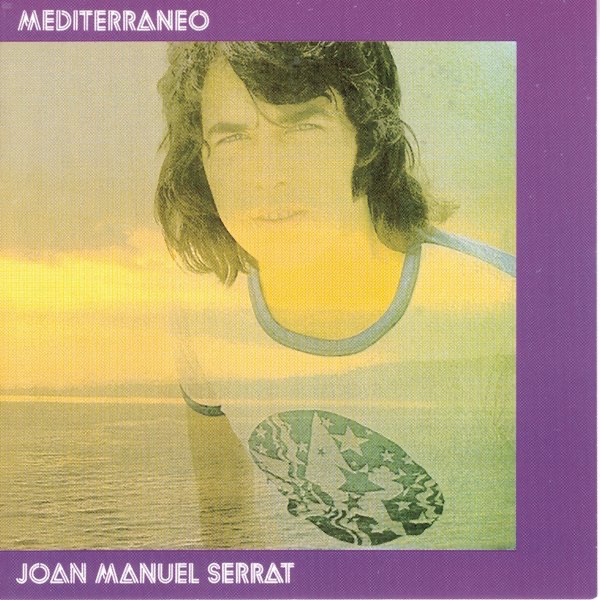
Mediterráneo
Joan Manuel Serrat
Mediterráneo (1971)
Joan Manuel Serrat
Listen to the Song
Summary
Widely regarded as the greatest song in Spanish music history, 'Mediterráneo' blends sophisticated folk arrangements with deeply evocative lyrics. It defines the 'Cantautor' movement, capturing Joan Manuel Serrat's connection to his roots through a timeless, sun-drenched melody.
Musical Analysis
"Mediterráneo" is a masterclass in how to blend the earthy, rhythmic drive of Spanish folk with the sophisticated harmonic vocabulary of jazz and bossa nova. While the song is primarily in C Major, its emotional weight comes from its constant gravitation towar…
Chords
History
While specific details about the moment of composition are not definitively documented, it is understood that "Mediterráneo" was born from Serrat's deep connection to and love for the Mediterranean Sea and the cultures surrounding it. The song embodies a profo…
“The song's arrangement is considered one of Serrat's most iconic, effectively capturing the essence of the Mediterranean sound.”
📝 Lyrics
nostalgic · evocative · passionateTheme
Mediterranean Identity and Belonging
Surface
A lyrical tribute to the Mediterranean Sea, detailing the singer's deep personal connection to its shores, landscapes, and the lifestyle of the region where he was born.
Deeper meaning
An existential meditation on the sea as a life-shaping force that defines one's character, history, and destiny. It explores the concept of 'home' not as a fixed structure, but as a vast, natural environment that serves as both a cradle for birth and a final resting place.
Symbols
Full Musical Analysis
"Mediterráneo" is a masterclass in how to blend the earthy, rhythmic drive of Spanish folk with the sophisticated harmonic vocabulary of jazz and bossa nova. While the song is primarily in C Major, its emotional weight comes from its constant gravitation toward the relative minor, A minor. By using a minor ii-V-i progression (Bm7b5 to E7 to Am), Joan Manuel Serrat and arranger Juan Carlos Calderón introduce a sophisticated, almost melancholic yearning that perfectly captures the bittersweet nostalgia of the lyrics. The inclusion of Major 7th chords like Cmaj7 and Fmaj7 is particularly effective; these chords provide a shimmering, atmospheric texture that mimics the light reflecting off the sea. Rather than staying within the basic triads of a standard folk song, these extensions add a 'breezy' quality that elevates the composition. The harmonic movement feels fluid and tidal—constantly shifting between the bright stability of the C major tonic and the darker, more introspective shade of the A minor sections, mirroring the duality of the Mediterranean as both a place of light and a site of historical struggle.
While specific details about the moment of composition are not definitively documented, it is understood that "Mediterráneo" was born from Serrat's deep connection to and love for the Mediterranean Sea and the cultures surrounding it. The song embodies a profound sense of belonging and nostalgia, reflecting Serrat's personal experiences and observations.
Widely regarded as the greatest song in Spanish music history, 'Mediterráneo' blends sophisticated folk arrangements with deeply evocative lyrics. It defines the 'Cantautor' movement, capturing Joan Manuel Serrat's connection to his roots through a timeless, sun-drenched melody.
Song DNA
Genre
Folk
Era
70s
Mood
Nostalgic
Tempo
Mid-tempo
Key
Major
Texture
Orchestral
Sound
Acoustic
Feel
Syncopated
Explore More
More by Joan Manuel Serrat
See all songs →Similar Songs
Explore related
Listen & Learn
Statistics
30K
Plays
6K
Listeners
12K
Genius Views
11
Annotations
89%
Popularity
3:23
Duration
115
BPM
4/4
Time
Credits
Written by
Produced by
From the album Serrat Sinfónico
Chord Sheet
Chords Used
Progression by Section
Bridge
Chorus
Verse
Chord Diagrams
N/A