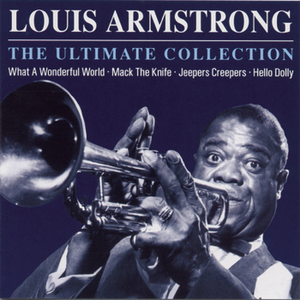
What a Wonderful World

Louis Armstrong

From the album

An American Icon (1988)

Written by

George David Weiss, Bob Thiele

Key:F Major
Duration:2:17

Listen to the Song

Summary

Released in 1967 during a period of intense social unrest, this masterpiece serves as a universal symbol of peace and appreciation for the world. It blends traditional pop and jazz elements with a lush orchestral arrangement to create one of the most recognizable and beloved ballads in music history.

Vocal JazzTraditional PopClassic BalladHopefulAmerican Standard

Musical Analysis

The harmony is distinguished by its 'soft jazz' approach, blending standard pop-diatonicism with sophisticated harmonic movements. While many pop songs of the era relied on I-IV-V, this song utilizes the iii chord (Am) to soften the transition to the IV (Bb) a…

Chords

verse:F - Am - Bb - Am - Gm7 - F - A7 - Dm - Db - Gm7 - C7
bridge:Gm7 - C7 - F - F - Gm7 - C7 - F - F - Dm - Am - Dm - Am

History

Written by Bob Thiele (under the pseudonym George Douglas) and George David Weiss, the song was offered to Louis Armstrong as a message of hope during a time of significant racial and political unrest in the United States. While Tony Bennett was reportedly the…

“The session was interrupted twice by the whistles of passing freight trains nearby, requiring retakes.”

Full Musical Analysis

The harmony is distinguished by its 'soft jazz' approach, blending standard pop-diatonicism with sophisticated harmonic movements. While many pop songs of the era relied on I-IV-V, this song utilizes the iii chord (Am) to soften the transition to the IV (Bb) and uses a secondary dominant (A7) to pivot to the relative minor (Dm). The most unique signature is the inclusion of the Db chord (bVI), which adds a 'dreamy' quality that characterizes the song's optimistic sentiment.

Written by Bob Thiele (under the pseudonym George Douglas) and George David Weiss, the song was offered to Louis Armstrong as a message of hope during a time of significant racial and political unrest in the United States. While Tony Bennett was reportedly the first choice for the song, Armstrong's gravelly voice and optimistic persona were ultimately deemed the perfect fit for the material.

Released in 1967 during a period of intense social unrest, this masterpiece serves as a universal symbol of peace and appreciation for the world. It blends traditional pop and jazz elements with a lush orchestral arrangement to create one of the most recognizable and beloved ballads in music history.

Deep Analysis Available

Detailed analysis of this section is not yet available for this song.

Song DNA

Genre

Jazz

Era

60s

Mood

Peaceful

Tempo

Slow

Key

Major

Texture

Orchestral

Sound

Vocal-focused

Feel

Swing

Explore More

Listen & Learn

Statistics

8.2M

Plays

1.4M

Listeners

1.8M

Genius Views

8

Annotations

100%

Popularity

2:17

Duration

4/4

Time

Credits

Written by

George David WeissBob Thiele

Produced by

Bob Thiele

From the album An American Icon