At a glance
- Key
- E major
- Time signature
- 4/4
- Main progression
- Imaj7–vi7–ii7–V11
- Chords used
- F#m7 · B11 · Amaj7 · B7 · Emaj7 · C#m7
Summary
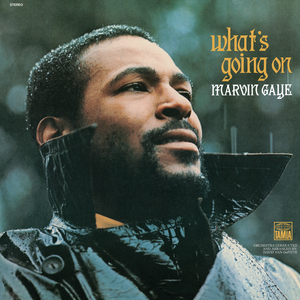
Released in 1971, this track signaled Marvin Gaye's transition from a pop hitmaker to a socially conscious auteur. It blends lush orchestral arrangements with legendary bass work and multitracked vocals to address issues of police brutality and war.
Chord Sheet
Chords Used
Progression by Section
Bridge
Chorus
Verse
Chord Diagrams
N/A
N/A
N/A
Musical Analysis
The harmony of 'What's Going On' is a landmark in the evolution of Soul music, moving away from simple triads toward a jazz-influenced vocabulary. While it uses the basic '50s progression' framework (I-vi-ii-V), the specific use of Major 7ths and dominant 11th…
History
Renaldo 'Obie' Benson of the Four Tops witnessed a police brutality incident involving anti-war protesters at Berkeley's People's Park on 'Bloody Thursday'. He wrote the initial song with Al Cleveland, but his fellow Four Tops members declined to record a 'pro…
“The background 'party' chatter features Detroit Lions players Lem Barney and Mel Farr.”
Full musical analysis
The harmony of 'What's Going On' is a landmark in the evolution of Soul music, moving away from simple triads toward a jazz-influenced vocabulary. While it uses the basic '50s progression' framework (I-vi-ii-V), the specific use of Major 7ths and dominant 11th/sus chords creates a 'floating' harmonic quality. This matches the social commentary of the lyrics—urgent yet peaceful. The bass line by James Jamerson provides a contrapuntal movement that makes the relatively simple two-chord vamps feel harmonically dense and constantly evolving.
Renaldo 'Obie' Benson of the Four Tops witnessed a police brutality incident involving anti-war protesters at Berkeley's People's Park on 'Bloody Thursday'. He wrote the initial song with Al Cleveland, but his fellow Four Tops members declined to record a 'protest song'. Benson presented it to Marvin Gaye, who initially wanted to produce it for The Originals but was eventually persuaded to record it himself. Gaye significantly revised the melody and lyrics to reflect his own perspective on the Vietnam War and social unrest.
Released in 1971, this track signaled Marvin Gaye's transition from a pop hitmaker to a socially conscious auteur. It blends lush orchestral arrangements with legendary bass work and multitracked vocals to address issues of police brutality and war.
Some sections are still pending
6 of 12 sections are ready. Ask for the rest and this song moves up our analysis queue.
Song DNA
Genre
Soul
Era
70s
Mood
Reflective
Tempo
Mid-tempo
Key
Major
Texture
Layered
Sound
Vocal-focused
Feel
Groovy
Explore More
Similar Songs
Explore related
Statistics
7.2M
Plays
1.1M
Listeners
816K
Genius Views
18
Annotations
100%
Popularity
3:53
Duration
4/4
Time
Credits
Written by
Produced by
From the album What’s Going On
Live albums
- In Concert in the ’80s1995
- The Midnight Lover - LIVE1996