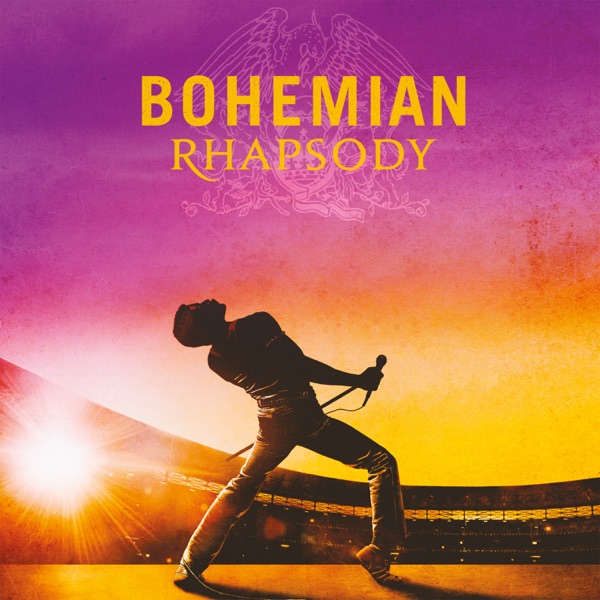
Bohemian Rhapsody
Queen
A Night at the Opera (1975)
Listen to the Song
Summary
Written by Freddie Mercury for the 1975 album A Night at the Opera, this progressive rock epic is famous for its unconventional structure and lack of a traditional chorus. It remains one of the most commercially successful and culturally significant songs in music history, defining Queen's legacy through its ambitious multi-tracked vocals and genre-bending segments.
Musical Analysis
Bohemian Rhapsody is a masterclass in progressive pop harmony, structured more like a classical suite than a rock song. It eschews the traditional verse-chorus format in favor of five distinct sections that use tonal centers to mirror the narrative's psycholog…
Chords
History
Freddie Mercury began developing the song in the late 1960s, then known as 'The Cowboy Song' due to the 'Mama... just killed a man' lyric. He eventually combined three distinct musical ideas he had been working on into a single six-minute suite which the band…
“The operatic middle section took three weeks to record alone.”
📝 Lyrics
melancholic · surreal · franticTheme
Existential guilt, identity, and the search for absolution
Surface
A young man confesses a murder to his mother and undergoes a surreal, operatic trial for his soul before concluding that life is ultimately meaningless.
Deeper meaning
Often interpreted as Freddie Mercury's metaphorical 'coming out' song, it represents the death of his past self and the internal struggle against societal and religious judgment. It explores the fragmentation of identity and the trauma of personal transition.
Symbols
Full Musical Analysis
The harmony is extremely complex, employing a wide range of chords and modulations. The song shifts through various keys, creating a sense of drama and unpredictability.
The rhythm varies significantly throughout the song, reflecting the different sections. It includes ballad-like tempos, hard rock beats, and operatic flourishes.
The melody is highly memorable and diverse, ranging from gentle ballad passages to powerful operatic sections and soaring rock vocals. Freddie Mercury's vocal performance is a key element of the song's success.
Freddie Mercury began developing the song in the late 1960s, then known as 'The Cowboy Song' due to the 'Mama... just killed a man' lyric. He eventually combined three distinct musical ideas he had been working on into a single six-minute suite which the band referred to as 'Freddie's Thing' during its early development.
Written by Freddie Mercury for the 1975 album A Night at the Opera, this progressive rock epic is famous for its unconventional structure and lack of a traditional chorus. It remains one of the most commercially successful and culturally significant songs in music history, defining Queen's legacy through its ambitious multi-tracked vocals and genre-bending segments.
Deep Analysis Available
Detailed analysis of this section is not yet available for this song.
Song DNA
Genre
Progressive Rock
Era
70s
Mood
Theatrical
Tempo
Mid-tempo
Key
Major
Texture
Layered
Sound
Vocal-focused
Feel
Straight
Explore More
More by Queen
Similar Songs
Explore related
Listen & Learn
Statistics
16.2M
Plays
2.2M
Listeners
100%
Popularity
5:58
Duration
4/4
Time
Chord Sheet
Song Structure
Hybrid; difficult to categorize into standard forms
Chords Used
Chord Diagrams
N/A
N/A
N/A
N/A
N/A
N/A