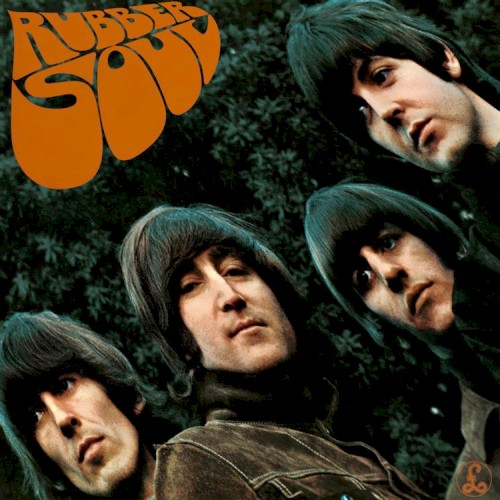
In My Life
The Beatles
Rubber Soul (1965)
Lennon-McCartney, John Lennon, Paul McCartney
Listen to the Song
Summary
As a standout track from the 1965 album Rubber Soul, this song marks The Beatles' transition toward more sophisticated and autobiographical songwriting. It is universally acclaimed for its poetic lyrics and George Martin’s iconic, Bach-inspired baroque piano solo.
Musical Analysis
The harmonic sophistication of 'In My Life' lies in its blend of Baroque-inspired counterpoint and mid-60s pop innovation. The use of the iv chord (Dm) is the song's emotional anchor, providing a sense of loss and reflection. The descending bass line in the ve…
Chords
History
The song began as a poem written by John Lennon during a bus ride in Liverpool. Originally, the lyrics were a literal list of places he passed, including Penny Lane and the clock tower. Lennon eventually found the draft 'boring' and 'pedestrian,' so he reworke…
“The sped-up piano solo was intended to sound like a harpsichord because George Martin felt it suited the song's nostalgic mood.”
Full Musical Analysis
The harmonic sophistication of 'In My Life' lies in its blend of Baroque-inspired counterpoint and mid-60s pop innovation. The use of the iv chord (Dm) is the song's emotional anchor, providing a sense of loss and reflection. The descending bass line in the verse creates a linear logic that makes the chromatic shifts (like the G natural in the A7 chord) feel organic rather than jarring. The baroque-style solo further elevates the song from a standard pop ballad to a piece of sophisticated chamber pop.
The song began as a poem written by John Lennon during a bus ride in Liverpool. Originally, the lyrics were a literal list of places he passed, including Penny Lane and the clock tower. Lennon eventually found the draft 'boring' and 'pedestrian,' so he reworked it into a more poignant, universal reflection on nostalgia. Paul McCartney claims to have written the entire melody from scratch on Lennon's Mellotron, though Lennon recalled McCartney's help was primarily focused on the harmony and the middle-eight section.
As a standout track from the 1965 album Rubber Soul, this song marks The Beatles' transition toward more sophisticated and autobiographical songwriting. It is universally acclaimed for its poetic lyrics and George Martin’s iconic, Bach-inspired baroque piano solo.
Deep Analysis Available
Detailed analysis of this section is not yet available for this song.
Song DNA
Genre
Baroque Pop
Era
60s
Mood
Nostalgic
Tempo
Mid-tempo
Key
Major
Texture
Full Band
Sound
Vocal-focused
Feel
Straight
Explore More
More by The Beatles
See all songs →Similar Songs
Explore related
Statistics
5.0M
Plays
669K
Listeners
2.5M
Genius Views
12
Annotations
100%
Popularity
2:26
Duration
4/4
Time
Credits
Written by
Produced by
From the album Rubber Soul
Original release
- Rubber Soul1965
Soundtracks
- Imagine: John Lennon: Music From the Motion Picture1988
Compilations
- 1962–19661973
Chord Sheet
Chords Used
Progression by Section
Intro
Chorus
Verse
Bridge piano solo
Chord Diagrams
N/A