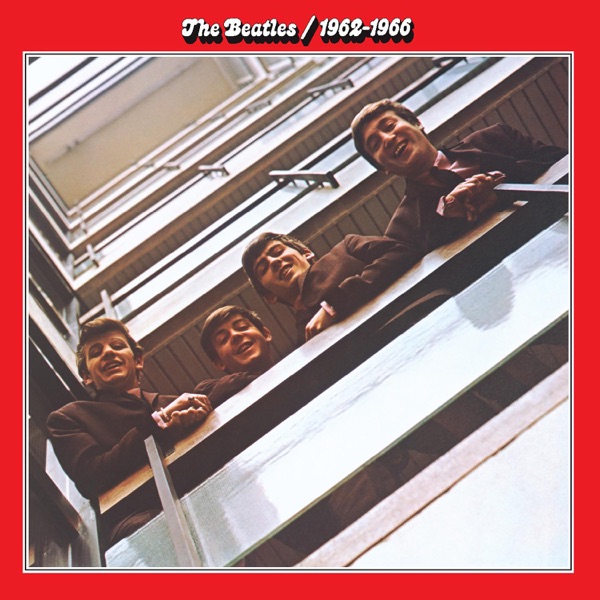
We Can Work It Out
The Beatles
Yesterday… and Today (1966)
Lennon-McCartney, John Lennon, Paul McCartney
Listen to the Song
Summary
Originally released as a groundbreaking double A-side single in 1965, this track highlights the creative synergy between McCartney’s hopeful outlook and Lennon’s pragmatic realism. It serves as a sonic bridge between the band’s early pop success and the more experimental, folk-influenced textures of their mid-career masterpieces.
Musical Analysis
‘We Can Work It Out’ is a masterclass in the Lennon-McCartney collaborative dynamic, expressed through harmonic contrast. Paul McCartney’s verse is written in D major, but it avoids the traditional 'sunny' pop sound by leaning on a C major chord (the flat-VII)…
Chords
History
Paul McCartney wrote the verses and chorus at his home in London, then took the song to John Lennon's home in Weybridge to complete it. While Paul's sections were optimistic, John contributed the more impatient and philosophical middle eight. During the record…
“The song took nearly 11 hours to record, which was the longest the band had ever spent on a single track at that point.”
📝 Lyrics
hopeful · urgent · frustratedTheme
Conflict resolution and the necessity of perspective in relationships
Surface
The song depicts a couple in the middle of a disagreement, with the narrator urging his partner to see things from his point of view to save the relationship.
Deeper meaning
The track serves as a dialogue between two distinct philosophies: Paul McCartney's optimistic pragmatism and John Lennon's existential realism. It explores the tension between the ego's desire to be right and the logical necessity of compromise given the brevity of human existence.
Symbols
Full Musical Analysis
‘We Can Work It Out’ is a masterclass in the Lennon-McCartney collaborative dynamic, expressed through harmonic contrast. Paul McCartney’s verse is written in D major, but it avoids the traditional 'sunny' pop sound by leaning on a C major chord (the flat-VII). This modal borrowing from D Mixolydian gives the section a grounded, folk-rock grit that mirrors the lyrics’ plea for perspective. Rather than resolving with a standard dominant A7, the verse circles back through G (the IV chord) to D, creating a cyclical, restless energy that perfectly captures the feeling of an ongoing argument. The song’s emotional pivot occurs during John Lennon’s bridge, where the harmony plunges into the relative minor (B minor). The introduction of a sharp F#7 chord—a major III acting as a secondary dominant—creates a stinging tension that underlines the urgency of 'fussing and fighting.' This section is famously augmented by George Harrison’s suggestion to shift into a 3/4 waltz time signature, a rhythmic 'hiccup' that makes the B minor section feel like a dizzying, internal monologue. The inclusion of the harmonium provides a thick, reedy texture that drones through these shifts, binding the disparate major and minor moods into a single, cohesive plea for resolution.
Paul McCartney wrote the verses and chorus at his home in London, then took the song to John Lennon's home in Weybridge to complete it. While Paul's sections were optimistic, John contributed the more impatient and philosophical middle eight. During the recording sessions, George Harrison suggested the arrangement change that shifted the middle eight into a 3/4 'waltz time' section.
Originally released as a groundbreaking double A-side single in 1965, this track highlights the creative synergy between McCartney’s hopeful outlook and Lennon’s pragmatic realism. It serves as a sonic bridge between the band’s early pop success and the more experimental, folk-influenced textures of their mid-career masterpieces.
Deep Analysis Available
Detailed analysis of this section is not yet available for this song.
Song DNA
Genre
Pop Rock
Era
60s
Mood
Optimistic
Tempo
Upbeat
Key
Major
Texture
Full Band
Sound
Acoustic-driven
Feel
Syncopated
Explore More
More by The Beatles
See all songs →Similar Songs
Explore related
Statistics
3.3M
Plays
571K
Listeners
148K
Genius Views
5
Annotations
100%
Popularity
2:16
Duration
4/4
Time
Credits
Written by
Produced by
From the album The Beatles (The Original Studio Recordings)
Chord Sheet
Chords Used
Progression by Section
Refrain
Bridge
Chorus
Verse
Chord Diagrams
N/A