Song DNA
Genre
Funk
Era
70s
Mood
Energetic
Tempo
Upbeat
Key
Blues
Texture
Layered
Sound
Clavinet-driven
Feel
Syncopated
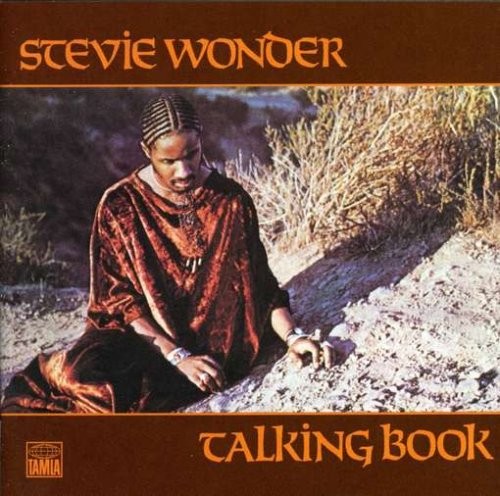
Released on the 1972 album Talking Book, 'Superstition' represents Stevie Wonder's peak creative independence and pioneering use of electronic keyboards. The track reached number one on the US charts, blending gritty soul grooves with a cautionary tale about irrational beliefs.
Superstition is a masterclass in funk harmony, utilizing a 'one-chord' approach for the verse to build rhythmic momentum through the Clavinet riff. The harmonic sophistication arises in the chorus, where Stevie Wonder employs a series of non-diatonic dominant…
The song was born from a spontaneous jam session between Stevie Wonder and guitarist Jeff Beck. While Beck was playing a drum beat in the studio, Wonder began improvising the iconic Clavinet riff. Although Wonder originally intended to let Beck record the song…
“Stevie Wonder played the drums himself on the track.”
Superstition is a masterclass in funk harmony, utilizing a 'one-chord' approach for the verse to build rhythmic momentum through the Clavinet riff. The harmonic sophistication arises in the chorus, where Stevie Wonder employs a series of non-diatonic dominant chords (Bb7, Cb7, A7) that function via voice leading and chromatic movement rather than traditional circle-of-fifths resolution. This creates a sense of instability that perfectly mirrors the lyrical theme of 'superstition' before resolving back to the grounded, bluesy Ebm tonic.
The song was born from a spontaneous jam session between Stevie Wonder and guitarist Jeff Beck. While Beck was playing a drum beat in the studio, Wonder began improvising the iconic Clavinet riff. Although Wonder originally intended to let Beck record the song first as a 'thank you' for playing on the Talking Book sessions, Motown executives insisted Wonder release it himself first.
Released on the 1972 album Talking Book, 'Superstition' represents Stevie Wonder's peak creative independence and pioneering use of electronic keyboards. The track reached number one on the US charts, blending gritty soul grooves with a cautionary tale about irrational beliefs.
Detailed analysis of this section is not yet available for this song.
Genre
Funk
Era
70s
Mood
Energetic
Tempo
Upbeat
Key
Blues
Texture
Layered
Sound
Clavinet-driven
Feel
Syncopated
5.8M
Plays
1.1M
Listeners
491K
Genius Views
11
Annotations
100%
Popularity
4:27
Duration
4/4
Time
From the album At the Close of a Century
Chorus
Verse
N/A
N/A
N/A
N/A
N/A
N/A
Chords Bb7#9 N/A Cb7 N/A A7#9 N/A Ab7 N/A Ebm7 N/A Bb7alt N/A A7 ✕ Bb7#9 Cb7 A7#9 Ab7 Ebm7 Bb7alt A7 Harmony Superstition is a masterclass in funk harmony, utilizing a 'one-chord' approach for the verse to build rhythmic momentum through the Clavinet riff. The harmonic sophistication arises in the chorus, where Stevie Wonder employs a series of non-diatonic dominant chords (Bb7, Cb7, A7) that function via voice leading and chromatic movement rather than traditional circle-of-fifths resolution. This creates a sense of instability that perfectly mirrors the lyrical theme of 'superstition' before resolving back to the grounded, bluesy Ebm tonic. Deep Analysis Available Detailed analysis of this section is not yet available for this song. Notify me when it's ready Request Full Analysis
Chord Diagrams Bb7#9 N/A Cb7 N/A A7#9 N/A Ab7 N/A Ebm7 N/A Bb7alt N/A A7 ✕
Composition The song was born from a spontaneous jam session between Stevie Wonder and guitarist Jeff Beck. While Beck was playing a drum beat in the studio, Wonder began improvising the iconic Clavinet riff. Although Wonder originally intended to let Beck record the song first as a 'thank you' for playing on the Talking Book sessions, Motown executives insisted Wonder release it himself first. Inspiration: A drum beat played by Jeff Beck during a recording session at Electric Lady Studios. Recording Studio: Electric Lady Studios, Media Sound Studios Producer: Stevie Wonder, Robert Margouleff, Malcolm Cecil Stevie Wonder played the drums himself on the track. The song features at least eight tracks of Clavinet layered to create the rhythmic drive. Jeff Beck was supposed to release his version first, but Berry Gordy pushed for Stevie's release when he realized it was a certain hit.
Chord Sheet Transpose 0 Capo 0 1 2 3 4 5 6 7 Auto-scroll Print Reset Chords Used Hide functions Ebm7 i7 T Bb7alt V7alt D Cb7 bVI7 T A7 bV7 D Ab7 IV7 P Progression by Section Chorus Bb7#9 V7alt D Cb7 bVI7 Bb7#9 V7alt D A7#9 bV7 Ab7 IV7 P Ebm7 i7 T Verse Ebm7 i7 T Chord Diagrams Bb7#9 N/A Cb7 N/A A7#9 N/A Ab7 N/A Ebm7 N/A Bb7alt N/A A7 ✕ Harmony Analysis Superstition is a masterclass in funk harmony, utilizing a 'one-chord' approach for the verse to build rhythmic momentum through the Clavinet riff. The harmonic sophistication arises in the chorus, where Stevie Wonder employs a series of non-diatonic dominant chords (Bb7, Cb7, A7) that function via voice leading and chromatic movement rather than traditional circle-of-fifths resolution. This creates a sense of instability that perfectly mirrors the lyrical theme of 'superstition' before resolving back to the grounded, bluesy Ebm tonic. Find Tabs & Chords Songsterr Interactive tabs Ultimate Guitar Chords & tabs Cifra Club Chords
🎶 Similar Tracks You Are the Sunshine of My Life Stevie Wonder Maybe Your Baby Stevie Wonder What's Going On Marvin Gaye I Heard It Through the Grapevine Marvin Gaye Lovely Day Bill Withers September Earth, Wind & Fire 🎤 More by Stevie Wonder Superstition 5.8M plays Sir Duke 6.6M plays Isn't She Lovely 4.9M plays Signed, Sealed, Delivered (I'm Yours) 4.3M plays For Once in My Life 4.2M plays Superstition - Single Version 3.9M plays View all Stevie Wonder songs → Related Articles HISTORY De las Raíces del Gospel al Neo-Soul: La Historia de la Música Soul Descubre la rica historia de la música soul: desde las raíces gospel de Sam Cooke y la era dorada de Motown hasta los ex HISTORY From Gospel Roots to Neo-Soul: The History of Soul Music Explore the rich history of soul music — from Sam Cooke's gospel roots and Motown's golden age to Stevie Wonder's experi Lyrics View Lyrics on Genius
You Are the Sunshine of My LifeStevie WonderMaybe Your BabyStevie WonderWhat's Going OnMarvin GayeI Heard It Through the GrapevineMarvin GayeLovely DayBill WithersSeptemberEarth, Wind & FireSuperstition5.8M playsSir Duke6.6M playsIsn't She Lovely4.9M playsSigned, Sealed, Delivered (I'm Yours)4.3M playsFor Once in My Life4.2M playsSuperstition - Single Version3.9M playsView all Stevie Wonder songs →historyDe las Raíces del Gospel al Neo-Soul: La Historia de la Música SoulDescubre la rica historia de la música soul: desde las raíces gospel de Sam Cooke y la era dorada de Motown hasta los exhistoryFrom Gospel Roots to Neo-Soul: The History of Soul MusicExplore the rich history of soul music — from Sam Cooke's gospel roots and Motown's golden age to Stevie Wonder's experi