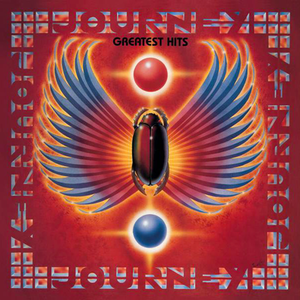
Don’t Stop Believin’

Journey

From the album

Escape (1981)

Written by

Neal Schon, Jonathan Cain

Key:E Major
Duration:4:09

Listen to the Song

Summary

Released in 1981 on the album Escape, this track is Journey's signature song and a pillar of melodic rock. It is famous for its unconventional structure, building tension throughout the verses and saving its triumphant chorus for the very end.

Classic Rock80sArena RockAnthemPower Ballad

Musical Analysis

The song's harmony is defined by its refusal to follow the standard Verse-Chorus-Verse structure. Harmonically, the most distinctive feature is the use of the iii chord (G#m) within the primary loop. While most pop songs rely on a 4-chord loop (I-V-vi-IV), Jou…

Chords

verse:E - B - C#m - A - E - B - G#m - A
preChorus:A - E - A - E - F#m - B
chorus:E - B - C#m - A

History

Keyboardist Jonathan Cain brought the song's title and hook from a notebook entry. He had previously called his father during a period of professional struggle in Los Angeles, and his father told him, 'Don't stop believin' or you're done, dude.' During a rehea…

“The distinctive piano riff was played on a Steinway grand and featured a chorused effect.”

Full Musical Analysis

The song's harmony is defined by its refusal to follow the standard Verse-Chorus-Verse structure. Harmonically, the most distinctive feature is the use of the iii chord (G#m) within the primary loop. While most pop songs rely on a 4-chord loop (I-V-vi-IV), Journey extends this to an 8-bar phrase that creates a more narrative, journey-like feel. The piano arrangement emphasizes the 'V' chord's leading tone (D#) to pull back to the E tonic, keeping the energy moving despite the mid-tempo ballad pace.

Keyboardist Jonathan Cain brought the song's title and hook from a notebook entry. He had previously called his father during a period of professional struggle in Los Angeles, and his father told him, 'Don't stop believin' or you're done, dude.' During a rehearsal session in Oakland, Cain shared the phrase with Steve Perry and Neal Schon, and they built the song's unique structure together.

Released in 1981 on the album Escape, this track is Journey's signature song and a pillar of melodic rock. It is famous for its unconventional structure, building tension throughout the verses and saving its triumphant chorus for the very end.

Deep Analysis Available

Detailed analysis of this section is not yet available for this song.

Song DNA

Genre

Rock

Era

80s

Mood

Uplifting

Tempo

Mid-tempo

Key

Major

Texture

Layered

Sound

Piano-led

Feel

Straight

Explore More

Listen & Learn

Statistics

14.0M

Plays

1.8M

Listeners

3.5M

Genius Views

11

Annotations

100%

Popularity

4:09

Duration

4/4

Time

Credits

Written by

Neal SchonJonathan Cain

Produced by

Kevin ElsonMike Stone

From the album Time 3